
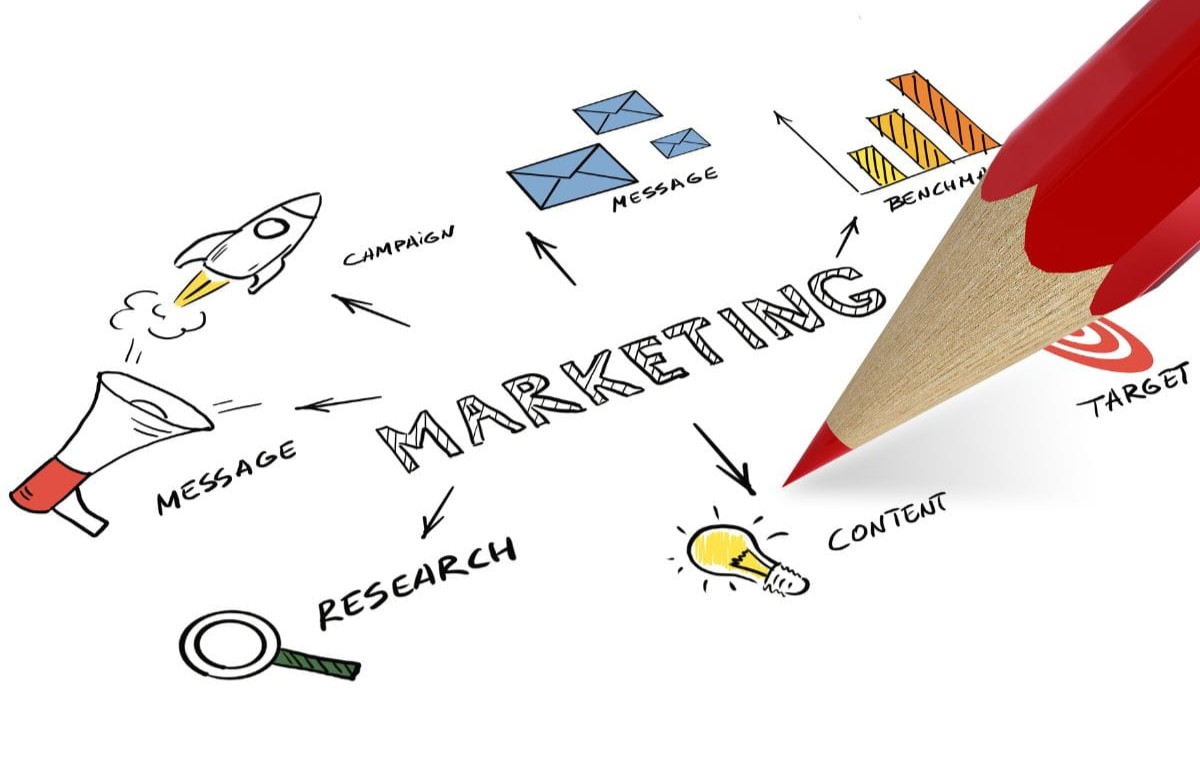
Most business owners know they need marketing. Fewer know how to scale it without burning cash or losing control. The question isn’t whether marketing matters. It’s whether you should build it in-house, hire an agency, or outsource specific functions to skilled contractors.
This isn’t a one-size-fits-all decision. Revenue stage matters. Team capacity matters. What you’re trying to accomplish matters even more. Here’s what actually drives the decision and how to know when outsourcing becomes the smarter play.
DIY Marketing vs. Outsourcing: What’s Really at Stake?
Early-stage companies often handle marketing themselves. Founders write blogs, run ads, manage social media. It’s scrappy. It’s cheap. And it works… until it doesn’t.
DIY marketing makes sense when:
- Marketing tasks are simple and don’t require specialized skills
- You’re testing messaging and don’t yet know what works
- Budget is extremely tight, and sweat equity is your advantage
- You need to stay close to customer feedback during product-market fit
But DIY has a ceiling. Founders aren’t copywriters, designers, or paid media strategists. Time spent figuring out Facebook ads is time not spent closing deals or building products.
Outsourcing shifts the equation. You trade money for speed, expertise, and focus. You get access to people who’ve done this before—who know what works and what wastes budget.
The trade-off? Less direct control, more coordination. And the need for clear expectations, or you’ll end up managing contractors like employees without any of the efficiency gains.
When Outsourcing Marketing Becomes Worth It?
There’s no magic revenue number. Some $500K companies outsource everything. Some $5M companies still run marketing internally.
What signals it’s time? Three things:
- You’ve validated your offer and messaging. If you’re still figuring out what to say or who to say it to, keep it in-house. Outsourcing works when you know what converts and you need help scaling it.
- Your internal team is maxed out. When the CEO is writing LinkedIn posts at 11 PM or your sales team is designing email campaigns, something’s broken. Outsourcing buys back time for higher-leverage work.
- You need specialized skills you can’t justify hiring full-time. SEO takes months to learn. Paid ads require constant testing and optimization. Video production needs equipment and editing chops. If you need these skills occasionally, not daily, outsourcing beats hiring.
One more factor: systems. If your marketing operates on gut feel and scattered Google Docs, outsourcing won’t fix that. You’ll just pay someone else to be confused. Successful outsourcing requires clarity on what you want, how you’ll measure it, and who owns decisions. Without that, you’re setting up contractors to fail and wasting money in the process.

What You Should Measure (And Why Most Teams Get This Wrong)
Marketing without metrics is just spending with hope attached. The problem? Most companies track the wrong things. Vanity metrics feel good but don’t drive decisions. Followers, impressions, likes—these matter if you’re building a media brand. For most businesses, they’re noise.
Here’s what actually matters:
Cost per lead (CPL). How much are you spending to get someone into your funnel? This tells you if your acquisition channels are efficient or bleeding budget.
Lead-to-customer conversion rate. Leads mean nothing if they don’t buy. Track how many leads turn into paying customers and at what point they drop off.
Customer acquisition cost (CAC). Total marketing and sales spend divided by new customers acquired. If your CAC is higher than lifetime value, your business model doesn’t work.
Return on ad spend (ROAS). For paid campaigns, this is the revenue generated per dollar spent. A 3:1 ROAS means every $1 in ads returns $3 in revenue. Anything below 2:1 usually isn’t sustainable.
Time to conversion. How long does it take a lead to become a customer? Longer cycles require different nurture strategies and affect cash flow planning.
Marketing qualified leads (MQLs) vs. sales qualified leads (SQLs). Not all leads are equal. MQLs showed interest. SQLs are ready to talk to sales. Know the difference, or your sales team will waste time on tire-kickers.
The key is connecting activity to revenue. Outsourced teams should report on these metrics, not just deliverables completed. “We posted 12 times this month” doesn’t matter if none of it drove pipeline.
Why Companies Outsource Marketing
The usual answer? Cost savings. And yes, outsourcing to skilled contractors in markets like the Philippines costs less than hiring a US-based team. But cost alone doesn’t explain why companies keep outsourcing even after they can afford in-house teams.
Here’s what really drives the decision:
- Access to specialized skills without overhead. A full-time content marketer usually costs $60K–$90K plus benefits. An outsourced writer delivers the same output for a fraction of that, and you only pay for what you need.
- Speed to execution. Hiring takes months. Onboarding takes longer. Outsourcing lets you start within weeks, sometimes days.
- Flexibility to scale up or down. Seasonal business? Product launch? Outsourcing lets you add capacity when you need it and pull back when you don’t. You’re not stuck with fixed headcount.
- Focus on core business. Founders and executives should spend time on strategy, product, and sales, not managing the day-to-day of content calendars and ad campaigns.
- Avoiding the learning curve. Marketing evolves fast. SEO algorithms change. Ad platforms update. Outsourced specialists stay current because it’s their full-time focus. Your internal team is juggling ten other priorities.
The companies that outsource successfully treat it like a partnership, not a commodity. They communicate clearly, provide context, and give contractors the information they need to deliver results. The ones who fail? They treat outsourced teams like order-takers, provide minimal direction, then complain about poor quality.
Outsourced Marketing vs. In-House: The Honest Comparison
This isn’t about which is “better.” It’s about which fits your situation.
In-house marketing works when:
- Long-term institutional knowledge is critical
- You need someone embedded in company culture and strategy
- Marketing decisions require constant cross-functional collaboration
- Your brand voice is complex and needs tight control
- You have the budget to hire, retain, and develop a full team
In-house teams understand context. They sit in product meetings, hear customer calls, and absorb the nuances that make messaging sharp. They’re there when things break and need fixing fast. But in-house is expensive. A small marketing team that consists of content, design, paid ads, analytics, easily costs $300K+ per year. Add tools, software, and overhead, and you’re closer to $400K.
Outsourcing works when:
- You need execution speed without long hiring cycles
- Budget constraints make full-time hires impractical
- You require niche expertise (SEO, video, conversion optimization)
- You want flexibility to adjust scope and spending
- You already have clear systems and can provide strong direction
Outsourced teams bring fresh perspectives. They’ve worked across industries and know what performs. They don’t get stuck in “how we’ve always done it.” The downside? Coordination overhead. Communication gaps. Less control over timing and priorities.
Some companies split the difference: hire a lean in-house team to own strategy, then outsource execution. A US-based marketing manager sets direction. Outsourced writers, designers, and media buyers deliver the work.
This hybrid model works if the in-house lead knows how to manage external teams and provide clear briefs.
Benefits of Outsourcing Marketing (Beyond Just Saving Money)
Cost savings get the attention. But the real value shows up in less obvious places.
You’re buying results, not hours. Internal employees work 40 hours a week whether they’re productive or not. Outsourced contractors get paid for output. If they finish in 20 hours, you still get the deliverable—and you’re not paying for the other 20.
You get access to proven systems. Good contractors bring frameworks and processes. They’ve run these plays before. You’re not figuring it out from scratch.
Your internal team can focus on high-value work. Instead of writing blog posts or tweaking ad copy, your team builds partnerships, closes deals, and shapes strategy. That’s where the real leverage is.
You avoid the cost of bad hires. Hiring the wrong marketer costs six months and $50K+ in salary and lost opportunity. Outsourcing lets you test capabilities before committing to a long-term relationship.
You gain flexibility to experiment. Want to test a new channel? Launch a campaign for a new product? Outsourcing lets you spin up resources without restructuring your org chart.
Retention isn’t your problem. Employee turnover disrupts projects and forces you to rehire. Outsourced teams handle their own staffing. If someone leaves, they replace them—not you.
The companies seeing the biggest upside treat outsourcing as a strategic advantage, not just a budget line. They invest time in onboarding, share context, and give contractors the information they need to perform. The ones who don’t? They churn through agencies and wonder why nothing sticks.
What This Actually Means for Your Business
Outsourcing marketing isn’t about doing less. It’s about doing the right things with the right people. If you’re still testing your message, stay hands-on. But once you know what works, outsourcing lets you scale without the overhead of full-time hires.
The decision comes down to three factors: clarity, capacity, and cost. If you have clear systems, your team is maxed out, and you need specialized skills, outsourcing makes sense. If you’re still figuring out what to say or how to say it, keep it internal. You can’t outsource strategy. You can outsource execution.
The businesses that grow sustainably do both. They build lean internal teams to own direction. Then they outsource execution to people who’ve done it before. That’s choosing speed and focus over the illusion of control.
Ready to Scale Your Marketing?
Outsourcing works when you have the right systems and the right partner. Guided Outsourcing helps US-based businesses build marketing teams that deliver without the overhead of traditional hiring.
If you’re ready to move faster without sacrificing quality, let’s talk about what that looks like for your business. Schedule a free consultation here.