
Two companies sell nearly the same product at nearly the same price. One turns visitors into customers within a single visit. The other loses them in seconds, and never finds out why. The offer isn’t the difference. The design is.
Design shapes how people judge a business before they read a single line of copy. A cluttered website, an inconsistent logo, or a confusing checkout page tells a visitor something, even if nobody wrote it down: this company either doesn’t have its act together, or doesn’t care enough to show it. Good design matters because it removes that doubt before it forms. It signals competence, consistency, and enough attention to detail that a stranger is willing to trust a business with their money.
This guide breaks down what design actually does for a business, why it deserves a real budget instead of an afterthought, what separates strong design from decoration, and where to find designers who can build it without draining your payroll.
What Good Design Means for Your Brand
Design gets reduced to a logo and a color palette more often than it should. That’s part of it, but it’s the smallest part. Design is every visual and structural decision a customer runs into: the layout of a website, the flow of a checkout page, the packaging on a shelf, the consistency between a company’s social media and its invoices. Branding is the promise. Design is the proof that shows up every time someone interacts with it.
McKinsey studied 300 publicly listed companies over five years, tracking more than 100,000 design decisions against two million data points on financial performance. The companies that scored in the top quarter of McKinsey’s Design Index posted 32 percentage points higher revenue growth and 56 percentage points higher shareholder returns than their industry peers over that period. The pattern held across medical technology, consumer goods, and retail banking — three industries with almost nothing in common except a customer forming an opinion fast.
| By the Numbers: 32 percentage points higher revenue growth for top design performers over five years (McKinsey Design Index). 56 percentage points higher total returns to shareholders for the same top-quartile companies (McKinsey). Up to 33% revenue increase linked to consistent brand presentation across channels (Lucidpress/Marq). |
That’s the connection between design and branding in practice. A brand is what a company says about itself. Design is whether the experience backs that up. When it doesn’t, customers notice the gap before they can name it, and they act on it anyway.
Why Your Business Needs Good Design
Founders often treat design as the layer you add once the product works and the budget allows for it. That ordering costs more than it saves.
- It builds trust before anyone reads a word. Researchers at Stanford’s Persuasive Technology Lab asked people to explain why they trusted or distrusted a website. Visual design, layout, and typography were the single most common reason people gave, cited in roughly half of all responses, ahead of the actual written content. A visitor decides whether a business looks credible before they evaluate whether it is credible.
- It protects revenue that’s already being spent to earn. A company can run flawless ad campaigns and still lose the sale on a cluttered landing page. Marketing spend gets a customer to the door. Design decides whether they walk through it or turn around.
- It compounds through consistency. Lucidpress surveyed more than 400 brand management professionals and found that companies presenting their brand consistently across every channel saw revenue increases of up to 33 percent, driven largely by faster recognition and fewer moments of doubt. A customer who sees the same visual language on a website, an invoice, and a LinkedIn post stops re-evaluating whether the company is legitimate. They just recognize it.
- It reduces the cost of doing business. Confusing navigation generates support tickets. Inconsistent branding creates rework every time a new hire misreads the guidelines, if guidelines even exist. Good design is one of the few investments that lowers ongoing costs while also raising revenue.
- It signals seriousness to the people you’re trying to hire, too. Job candidates, investors, and partners all form impressions the same way customers do. A business that looks unfinished invites the assumption that it is.
None of this means every business needs an agency-grade rebrand before its next product launch. It means design isn’t a cosmetic decision. It’s a business decision with a measurable return, and treating it as optional is itself a choice with a cost.
What Good Design Actually Looks Like
Good design isn’t about trend-chasing or making something look expensive. It’s about function first, and aesthetics in service of that function. A few standards separate design that works from design that just looks busy:
Clarity over cleverness. A customer should understand what a business does and what to do next within seconds. If a homepage needs a paragraph of explanation before the offer makes sense, the design has already failed, regardless of how polished it looks.
Consistency across every touchpoint. The same colors, fonts, tone, and logo treatment should appear whether someone finds a business through an ad, an email, or a printed invoice. Consistency is what makes a brand recognizable instead of forgettable.
Purpose behind every element. Strong design can explain why a button is that size, why a section sits above another, and why a color was chosen. If a design choice can’t be explained beyond “it looked nice,” it’s decoration, not design.
Usability that respects the customer’s time. A beautiful interface that’s hard to navigate isn’t good design. Load times, mobile responsiveness, and intuitive flows matter as much as visual polish, sometimes more.
Room to grow. Good design holds up as a business adds products, expands into new markets, or updates its offerings. A system built around rigid, one-off decisions breaks the first time something changes.
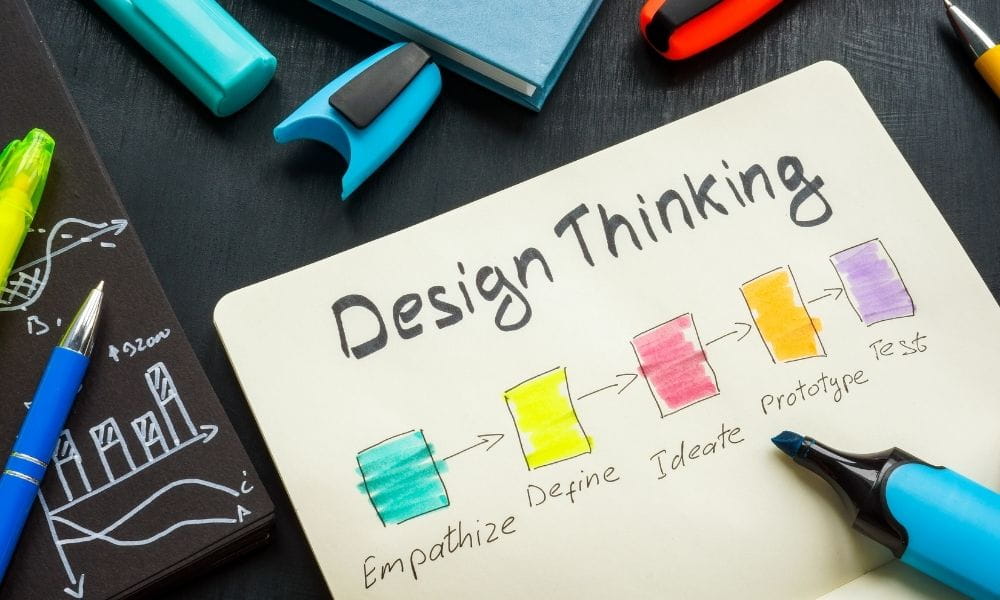
Evidence over guesswork. The best design decisions get tested against real user behavior, not just internal opinion. A layout that performs well in a design review can still fail with actual customers, which is why testing and iteration matter more than personal taste.
A simple gut check: if a competitor’s site or product looks and feels more trustworthy at first glance, even when the actual offer is weaker, that gap is design. It’s fixable, and it’s usually one of the higher-return fixes available to a growing business.
Where to Find Designers Who Understand Your Brand
Most businesses that recognize the value of design run into the same wall: hiring a full in-house creative team is expensive, and the search for the right fit takes months a growing company doesn’t have. A senior brand or product designer in the US typically commands $75,000 to $110,000 a year before benefits and tools, and that’s for one specialist, not the range of skills most brands actually need across web, print, packaging, and social.
This is where outsourcing changes the math. Instead of building an entire design department from scratch, businesses can bring in dedicated designers who already understand brand systems, UX principles, and the tools agencies use, at a fraction of the cost of a local hire.
Guided Outsourcing builds dedicated design and creative teams for US-based businesses, matching companies with professionals experienced in brand identity, web and UX design, packaging, and marketing collateral.
The difference between this model and freelance platforms or rotating contractors is consistency. A dedicated designer learns a brand’s voice and standards over time instead of relearning them with every new project, which is exactly the kind of continuity good design depends on. For a business trying to close the gap between how it looks and how it wants to be perceived, outsourcing a design function is often faster and less risky than a full-time hire, and it scales as the business does.
Final Thoughts
Good design matters because it’s the fastest signal a business sends, and the one customers act on before anything else gets a chance to prove itself. The data backs this up consistently: companies that invest in design see it show up in revenue, retention, and trust, not just in compliments about their logo.
The businesses that get this right treat design as infrastructure, not decoration. They build it with intention, keep it consistent, and revisit it as the business grows. The ones that skip it usually don’t realize the cost until a competitor with a weaker product and a stronger presentation starts winning the customers they should have kept.
Design is one of the few investments a business can make that pays off in trust immediately and in revenue over time. Treat it that way.
Ready to Build a Brand That Looks as Strong as It Performs?
Guided Outsourcing connects US businesses with dedicated designers who understand branding, web, and marketing design from day one. Schedule a free consultation and find out what a dedicated design team could look like for your business.