

A pipeline that runs dry doesn’t wait for convenient timing. Sales quotas slip, marketing scrambles to fill the gap, and someone eventually asks the question every growing company runs into: build lead generation in-house or bring in outside help.
Outsourcing lead generation services has become a serious answer to that question, and not only for companies without a marketing budget. It shows up in how established sales organizations set priorities. 40% of marketers now name lead quality as their most important success metric, more than any other metric they track, according to HubSpot’s 2026 State of Marketing Report. That shift matters, because lead quality is exactly where a focused outsourced team tends to beat a stretched internal one.
This guide covers who actually outsources lead generation, how the cost compares to hiring in-house, which pricing models exist, and what to check before signing a contract.
Who Outsources Lead Generation?
Lead generation outsourcing isn’t limited to companies too small to hire a marketing team. It shows up across very different stages and industries, usually for the same underlying reason: the work is specialized, ongoing, and expensive to staff for occasional or fluctuating demand.
- B2B software and services companies that need a steady stream of qualified meetings without adding a full SDR team to payroll.
- Real estate teams and brokerages handling lead follow-up and appointment setting during listing surges.
- Financial services and insurance firms that need consistent outbound volume paired with compliance-aware calling and messaging.
- AEC and manufacturing companies running project-based outreach for bids, partnerships, or new market entry.
- Growing agencies and consultancies that want their founders and account leads focused on delivery, not cold outreach.
Generating quality leads is still the top challenge for the majority of marketing teams. 61% of marketers point to lead quality as their biggest obstacle, according to G2’s 2026 lead generation benchmark data. That single stat explains most of the shift toward outsourcing: businesses aren’t just short on hands, they’re short on a repeatable process that consistently produces leads worth a salesperson’s time.

Why Outsource Instead of Hiring In-House?
The comparison usually starts with cost, but cost alone doesn’t tell the full story. Speed, consistency, and the ability to scale up or down without a hiring cycle matter just as much.
The real cost of an in-house hire
According to the U.S. Bureau of Labor Statistics, the median annual wage for wholesale and manufacturing sales representatives was $66,780 in May 2024, rising to $100,070 for representatives selling technical and scientific products. A dedicated business development or lead generation hire in a similar sales role typically falls in that range or higher in competitive US markets. Base salary is also just the starting point. Payroll taxes, benefits, prospecting tools, CRM seats, training, and management time routinely add another 30–50% on top before that hire produces a single qualified lead.
Then there’s ramp time. A new hire needs weeks to learn the product, the messaging, and the tools before output looks anything like full capacity. An outsourced team that already runs lead generation as its core function skips most of that runway.
In-house vs. outsourced: a side-by-side look
| Factor | In-House Team | Outsourced Team |
| Cost structure | Fixed salary + benefits + tools, regardless of output | Scoped fee tied to work delivered or leads produced |
| Ramp time | Weeks to months before full productivity | Days to a few weeks with an established provider |
| Specialized tools & data | Purchased and maintained internally | Often already included in the provider’s stack |
| Scaling up or down | Requires new hiring or layoffs | Adjusted through the contract or scope |
| Institutional knowledge | Stays with the company long-term | Depends on documentation and provider retention |
| Best fit | Complex, relationship-heavy enterprise sales | Repeatable outbound, qualification, and appointment setting |
Neither model wins outright. Enterprise sales built on long-term relationships usually benefits from an in-house presence that carries context across years. Repeatable, process-driven prospecting is where outsourcing tends to produce a better return.
Where the Best Leads Actually Come From
Not all lead sources perform the same, and this affects which outsourcing model makes sense. SEO-driven leads close at 14.6%, compared to 1.7% for outbound leads, per G2’s lead generation research. That gap doesn’t mean outbound isn’t worth outsourcing. It means outbound needs volume and consistency to work, while inbound and content-driven channels reward patience and compounding effort. A lead generation partner should be able to explain, specifically, which channel mix fits the sales cycle and deal size in question, not default to whichever channel is easiest for them to run.
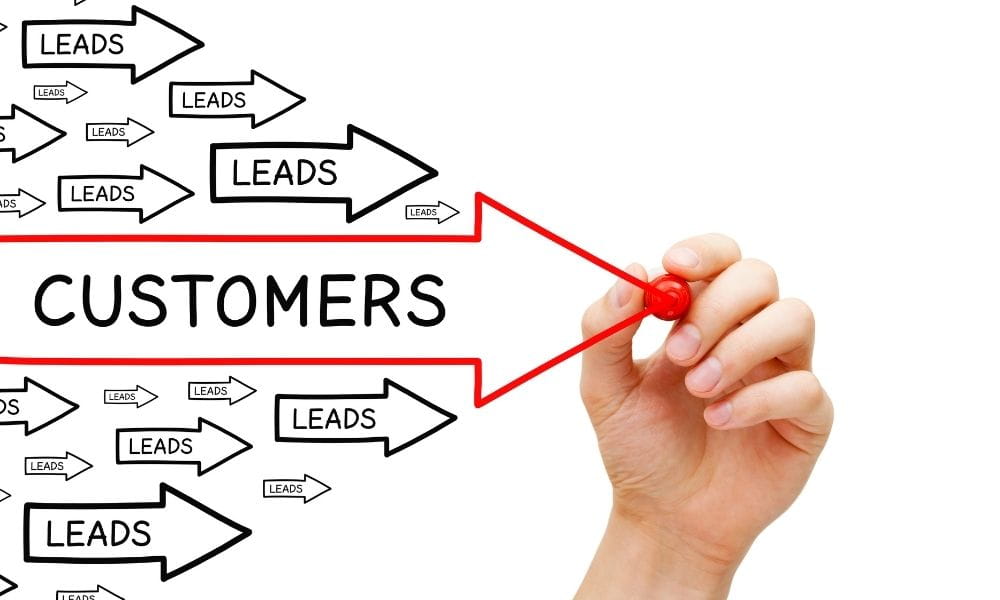
Lead Generation Outsourcing Models: Which One Fits?
Outsourced lead generation is priced a few different ways, and the model shapes both the cost and the incentive structure. Reported 2026 industry benchmarks group into five common structures:
| Model | Typical Cost | How It Works | Best For |
| Retainer | $3,000–$12,000+/month | Flat monthly fee for ongoing campaign management and execution | Businesses that want a consistent, long-term program |
| Pay-per-lead (CPL) | $20–$500+ per lead | Fee charged for each lead meeting agreed criteria | Businesses with a clear, tight lead definition |
| Pay-per-appointment | $150–$1,000+ per meeting | Payment triggers only when a qualified meeting is booked | Sales teams that value booked conversations over raw volume |
| Hybrid | Base fee + performance bonus | Retainer covers infrastructure, bonus rewards results | Businesses wanting shared risk between both sides |
| Commission-only | % of closed revenue | Provider earns only when a deal closes | Rarely recommended; often signals under-resourced execution |
Commission-only pricing looks appealing on paper because it removes upfront cost. In practice, it also removes the provider’s ability to invest in proper targeting, data, and nurturing infrastructure before they see a return, which tends to show up as thinner, less qualified pipeline. A hybrid structure, small base fee plus a bonus tied to booked meetings or qualified leads, generally keeps both sides accountable without either one absorbing all the risk.
| Before You Compare Quotes Get an explicit, written definition of what counts as a “qualified lead” or “qualified meeting.” Pricing means little if the definition is loose enough to include anyone who answered the phone. |
Before You Outsource Lead Generation
A few gaps cause most outsourced lead generation programs to underdeliver, and they’re avoidable if addressed before the contract is signed.
- Know your ideal customer profile. Outsourcing execution won’t fix unclear positioning. If the target buyer and their pain points aren’t defined, outsourcing will scale confusion, not results.
- Define “qualified” in writing. A lead and a sales-ready opportunity are different things. Put the criteria in the contract, not in a verbal understanding.
- Check compliance practices. Outbound calling and email have real regulatory exposure. Ask how the provider handles do-not-call lists, opt-outs, and data handling before campaigns launch.
- Confirm CRM and tech compatibility. Leads that don’t flow cleanly into your existing CRM create manual work that erodes the time savings outsourcing was supposed to deliver.
- Measure results, not activity. Calls made and emails sent aren’t outcomes. Cost per qualified lead, meetings booked, and pipeline influenced are.
How Guided Outsourcing Builds Lead Generation Teams
Guided Outsourcing builds dedicated offshore teams for US-based businesses, matching professionals to specific sales and marketing functions rather than placing generalists into broad roles. Lead generation support sits alongside content, SEO, paid media, and CRM management as part of that model, with the same emphasis on dedicated, accountable team members instead of rotating contractors.
That approach is backed by scale. The Philippine IT-BPM sector closed 2025 with roughly $40 billion in export revenue and a workforce nearing 1.9 million, on pace to reach 1.97 million by the end of 2026, according to the IT and Business Process Association of the Philippines (IBPAP). That depth of experienced talent is what makes it possible to staff a lead generation function with people who already understand US business context, not a team learning it on the client’s dime.
Clients who work with Guided Outsourcing get a team matched to their specific pipeline needs, supported by dedicated account management rather than a shared pool of contractors juggling multiple clients at once.

Takeaway
Outsourcing lead generation services makes sense when the goal is clear, the definition of a qualified lead is written down, and the business needs consistent execution more than it needs another full-time hire. It makes less sense when messaging is still unproven or when the sales process depends on deep, long-term relationship management that only an internal team can carry.
The businesses that get the most out of outsourcing treat it as a structured partnership: they define expectations upfront, choose a pricing model that matches their risk tolerance, and measure results against pipeline impact instead of activity counts. Done that way, outsourcing lead generation isn’t a shortcut. It’s a faster, more predictable path to a pipeline that doesn’t run dry.
| Ready to Build a Lead Generation Team That Delivers? Guided Outsourcing builds dedicated offshore teams for US-based businesses that need consistent, qualified lead flow without the overhead of a full-time hire. Schedule a free consultation to talk through what a lead generation program built around your pipeline could look like. |